
What is Trigonitis?
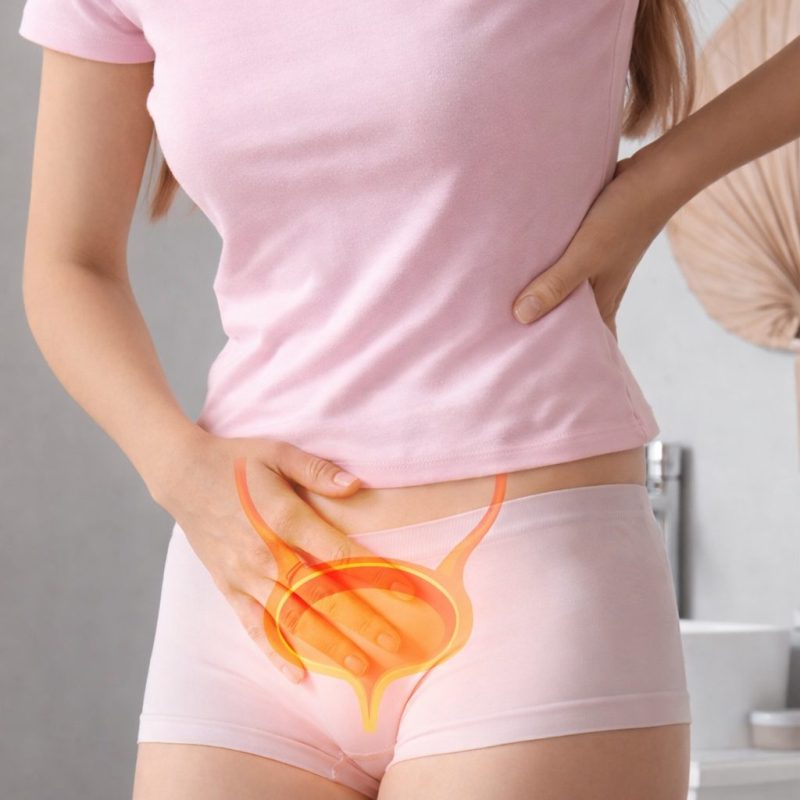
Trigonitis is inflammation of the trigone, a sensitive triangular area at the base of the bladder. It may result from infection, irritation, or hormonal factors and can cause pain or discomfort when urinating (dysuria).
Common Symptoms
- Burning or pain during urination (dysuria)
- Urinary frequency or urgency
- Suprapubic (lower abdominal) pain or pressure
- Feeling of incomplete bladder emptying
- Feeling of awareness of bladder and urethra, varying in intensity from day to day

Diagnosis
Trigonitis is often diagnosed after ruling out other causes such as urinary tract infection (UTI) or interstitial cystitis.
Typical tests and steps include:
- Medical history & physical exam – thorough review of urinary symptoms, infections, and hormonal factors, and pelvic exam
- Urinalysis & urine culture – to check for infection or blood, PCR based culture
- Pelvic exam (in women) – to exclude vaginitis or urethral irritation.
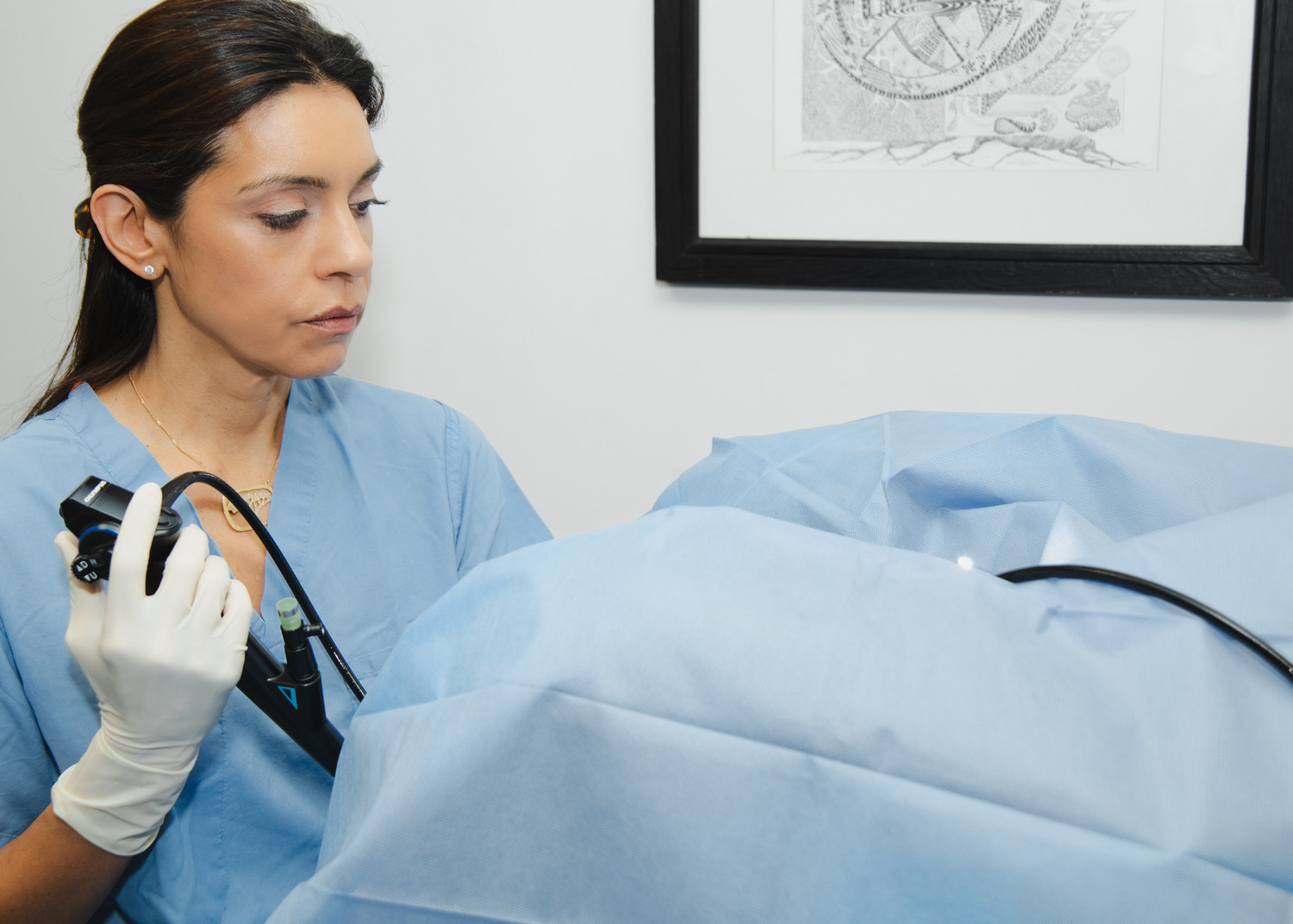
- Cystoscopy – direct visualization of the bladder using a small camera; inflammation of the trigone may appear red or cobblestoned. In cases of recurrent infection or in cases of recurrent infection with small bullae
- Sometimes a biopsy is taken to confirm inflammation.
Treatment Options
If infection is present:
- Antibiotics to treat bacterial infection.
- For recurrent or persistent infections, a longer course of antibiotics may be recommended.
- Fulguration of lesions to address the areas where bacteria may reside in protected sites
If no infection (noninfectious trigonitis):
- Anti-inflammatory medications or urinary analgesics (e.g., phenazopyridine) for pain relief.
- Bladder anti-spasmodics to reduce bladder spasms and urgency.
- Topical estrogen therapy for women with low estrogen levels (especially postmenopausal).
- Bladder instillations or cauterization (fulguration) of the trigone for chronic cases that do not respond to medications.
- Bladder Botox or Steroid Injection in the Trigone
Lifestyle and self-care
Drink plenty of water to avoid concentrated urine
Avoid bladder irritants such as caffeine, alcohol, spicy foods, and artificial sweeteners.
Practice good urinary hygiene and empty the bladder regularly.